
Who Makes the Better Budget Smartphone?

Xiaomi has presented its mid-range smartphone lineup for 2026. I put the new Redmi Note 15 Pro Plus up against the Galaxy A56 from Samsung and explain to you which model is the better choice. Which one is your favorite?
The Galaxy A5X from Samsung is one of the best-selling smartphones every year, and Xiaomi’s Redmi Note series is also one of the best-selling. And rightly so, because a smartphone for around $300 is perfectly adequate for most users in everyday use. Because while top smartphones are not getting any cheaper, mid-range devices are getting better and better. But which model performs best in the test?
Design & workmanship in comparison
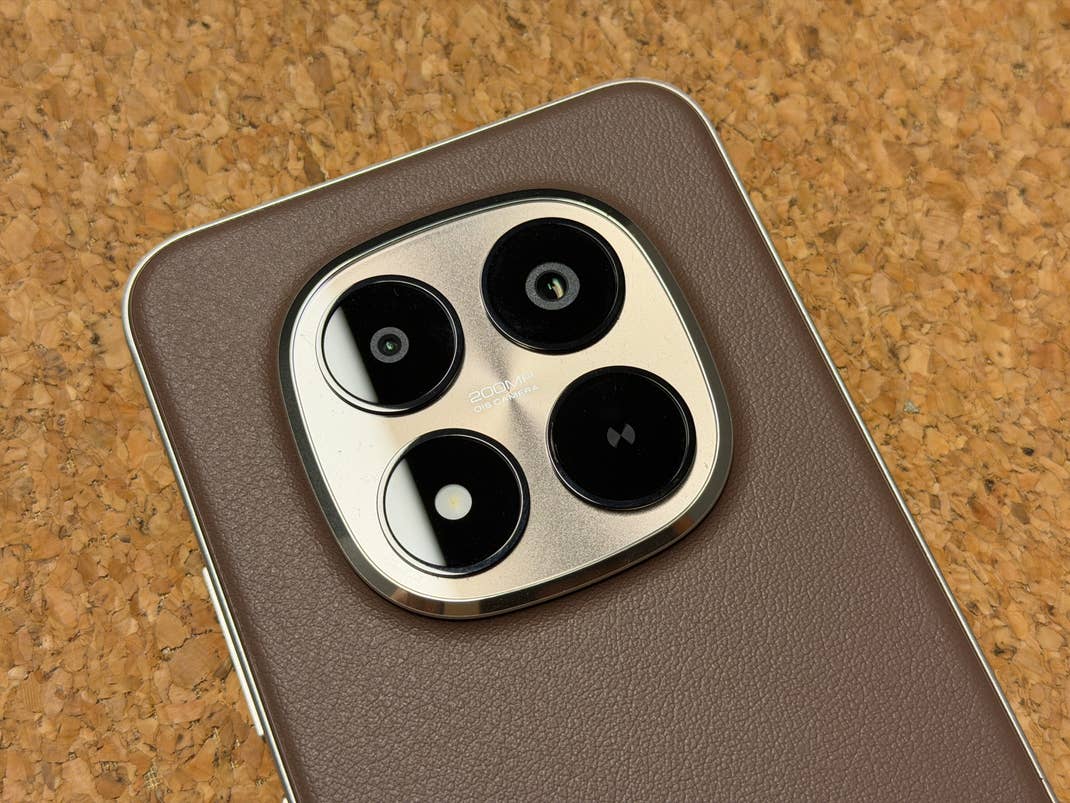
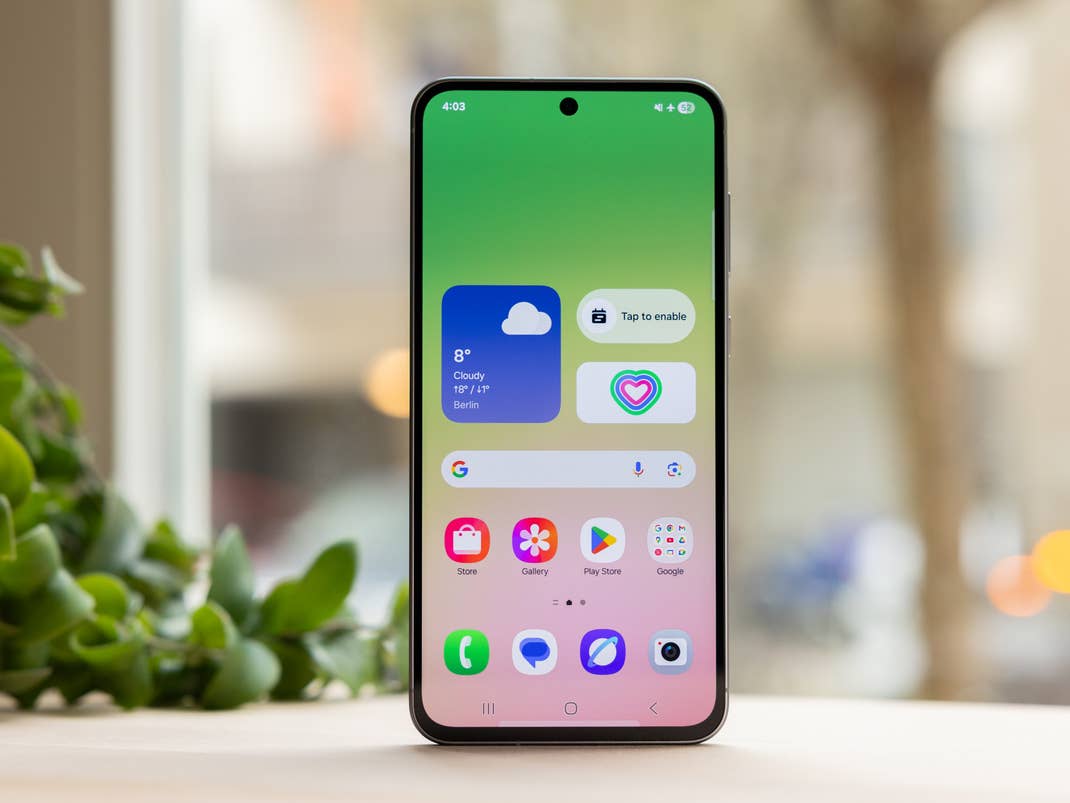
Both smartphones have a high-quality finish and are protected against dust and water in accordance with IP68/69. In terms of materials, Samsung has the edge, using slightly roughened aluminum for the frame, while Xiaomi uses plastic. However, Xiaomi stands out, at least in the Mocha Brown color, with a back made of artificial leather that feels great in the hand – even without a case. With its curved display edges and a large camera module, the smartphone also looks a little more eye-catching than Samsung’s relatively simple and elegant design. Here, the comparison is a draw.
Galaxy A56 vs. Redmi Note 15 Pro Plus: Display
Neither smartphone has to hide when it comes to the display. Xiaomi offers a higher resolution on the Redmi Note 15 Pro Plus, and it is visually impressive, with symmetrical display edges and a slight curved effect on all sides.
Samsung, on the other hand, offers higher brightness in the Galaxy A56. It should be noted that both manufacturers advertise extremely high values on paper. However, these “peak nits” are only achieved by a small part of the display for a short time. The real brightness is more important here. And here, the Galaxy A56 performs better, with over 1200 nits, and offers higher brightness in everyday use.
For me, the higher brightness in everyday use is more important than a higher resolution. So the point here goes to Samsung by a narrow margin.
Performance and battery life
With the current top smartphones, performance no longer really matters. It’s all about who doesn’t overheat even under heavy load and scores higher in benchmarks. The performance of the current flagships will still be more than sufficient for everyday use in several years. The situation is different in the mid-range. Here, small differences can determine whether the smartphone will remain effortlessly usable in 3 or 4 years or whether a new one is needed.
In terms of performance, however, the Samsung Galaxy A56 and the Redmi Note 15 Pro Plus don’t have much in common. While Samsung relies on its own Exynos 1580 processor, Xiaomi uses the Snapdragon 7s Gen 4. Both chips offer sufficient performance for the price range and are well-equipped for the future with 8 gigabytes of RAM. In a direct comparison, however, the Samsung chip performs slightly better.
However, the point in this category goes to Xiaomi. The reason for this is the clearly superior battery life. Xiaomi already uses modern silicon-carbon batteries in its smartphones, enabling higher energy density. In practice, this means: 6,500 mAh instead of 5,000 mAh with the same case thickness and several hours longer battery life in our battery test.
Samsung vs. Xiaomi: The software
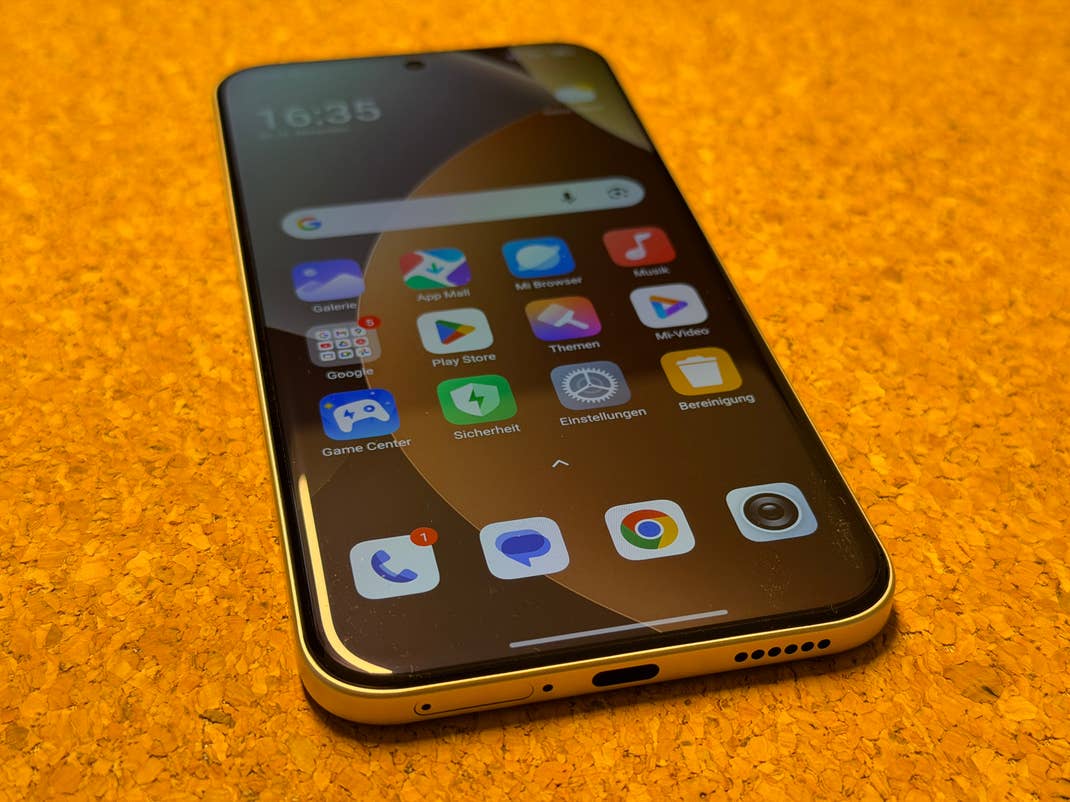
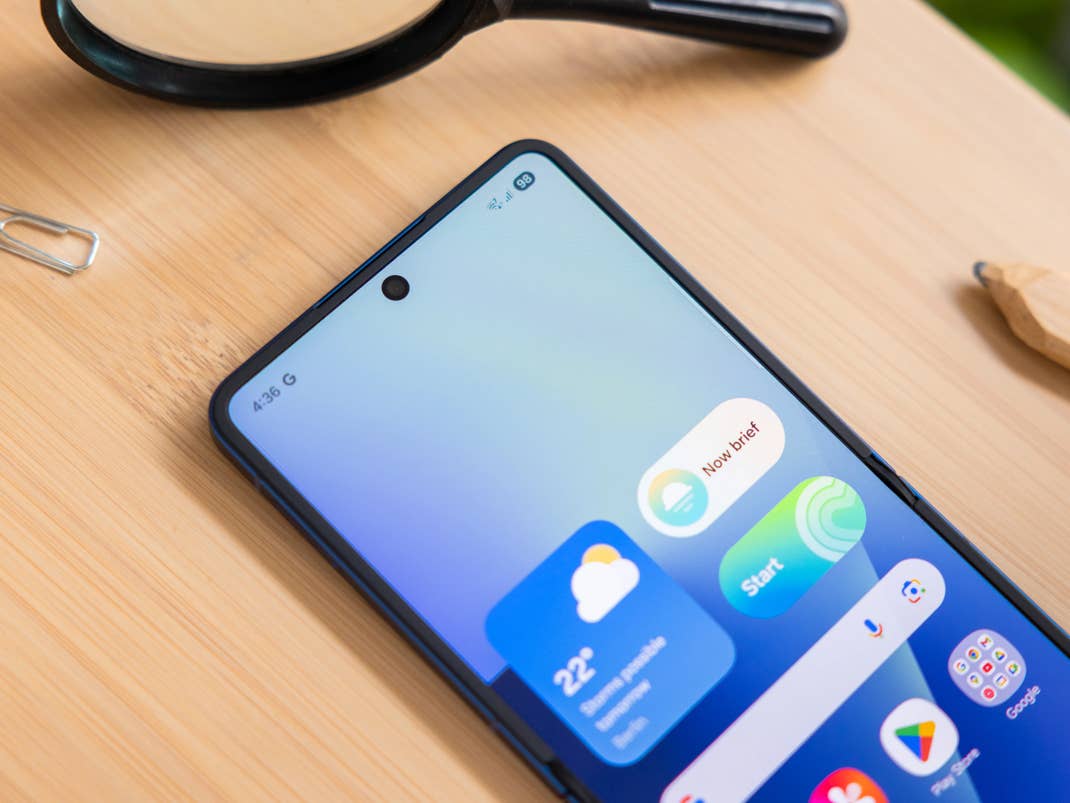
Both Samsung’s One UI and Xiaomi’s HyperOS are visually impressive. With many options for personalization and beautiful animations, they both have more to offer than pure Android. When it comes to design, Samsung goes its own way, while Xiaomi likes to take inspiration from Apple. But Samsung also likes to look to California as a role model.
Both smartphones also come with a lot of pre-installed additional apps. However, this is normal in this price range and helps manufacturers to offer their smartphones at a lower price. With Xiaomi, however, the native apps, such as the file program or the music player, also display advertising. This is not only visually distracting but also quite confusing, especially for inexperienced users, making the smartphone unsuitable for this target group.
Samsung guarantees 6 years of update support, even in this price range, and also delivers updates promptly. Xiaomi, on the other hand, promises 4 years of updates but takes much longer to deliver them. The Redmi Note 15 Pro Plus is still being launched with Android 15, while the Galaxy A56 has long since received Android 16 through updates. Just like almost all Samsung smartphones, by the way. Meanwhile, even Xiaomi’s flagship devices from this year are still waiting for the update. Samsung also regularly releases essential security updates on a monthly basis. So the point for software clearly goes to Samsung.
Camera in comparison
The photo quality of both smartphones is at a good level for the price range. With 200 megapixels, Xiaomi offers a higher resolution and can therefore achieve greater sharpness, at least in good light. This is also noticeable in zoom photos, as neither smartphone offers a real telephoto camera. Xiaomi impresses with slightly more realistic colors, while Samsung’s pictures look very “social media-like.” On the other hand, the Samsung camera is more convincing in low light. Overall, however, I would give the main camera to Xiaomi.
The additional cameras on both smartphones are not convincing. Both smartphones offer an ultra-wide-angle sensor that is only suitable for snapshots at best. Samsung also has a macro camera. But even here, the main camera with a little zoom often takes the better close-ups.
Galaxy A56 vs. Redmi Note 15 Pro Plus: Which smartphone is better?
A comparison like this used to be much easier. Xiaomi always impressed with extremely powerful hardware for the price, while Samsung offered significantly better software with long update support. In the meantime, both companies have caught up and are close to each other in almost all categories. So it often depends on your preferences and usage scenarios as to which smartphone is better for you. However, the good news is that both smartphones are excellent choices in the mid-range.
Xiaomi’s great strength is its long battery life and a really good main camera for the price. Samsung, on the other hand, offers a brighter display and better software, free of advertising and with long update support. Which smartphone would you choose?