
The Robots Are Taking Over! …Your Child’s Education
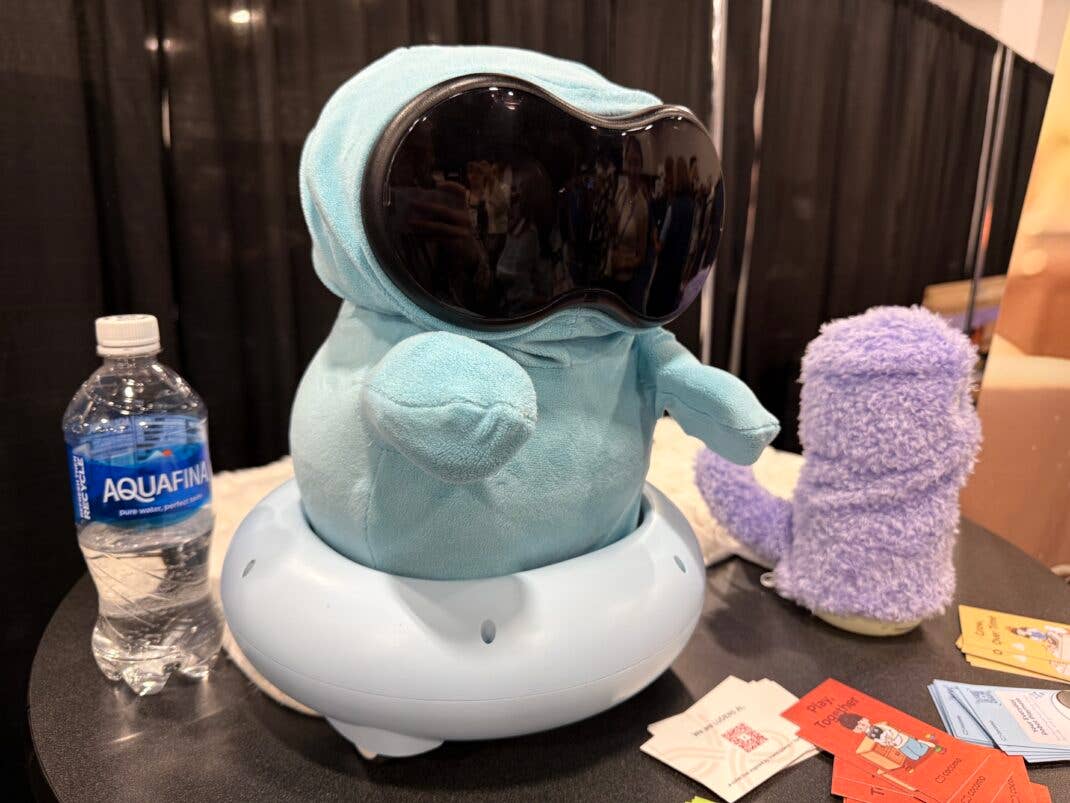
I am at CES 2026 in Las Vegas right now. And one thing I’ve noticed is that kids have become a hot topic when it comes to AI Robots and Companions. And some of them even want to help educate our youngest and most volunerable. Here’s why I think that’s a bad idea.
In today’s world, the internet is an ever-present force. And with the increasing prevalence of AI in the home and outside, it’s bound to get worse before it (hopefully) gets better. As such, children should be introduced to technology at a young age to build core competencies and confidence as they navigate this digital world. But I don’t think an AI companion, like those you see at CES, is the right approach. And that’s coming from someone who would have loved an adorable, big-eyed digital companion growing up.
Our children’s toys are changing
I may not have any children of my own, but even I have noticed a drastic shift in children’s toys. Back when I was younger, I owned a little furby-knockoff. A fluffy pink ball that shifted slightly when touched and made adorable cooing sounds. And that’s all it did. If you wanted to play with it, you had to come up with something to do.
Nowadays, more and more children’s toys leave little room for play-pretend. That’s a serious problem because now, a child no longer interacts with the toy – the toy interacts with them. And when it comes to AI companions, that’s a problem. Because the AI actively feeds information to your kid. Information that, in many cases, you have no control over. It also removes the incentive for your child to come up with something on their own.
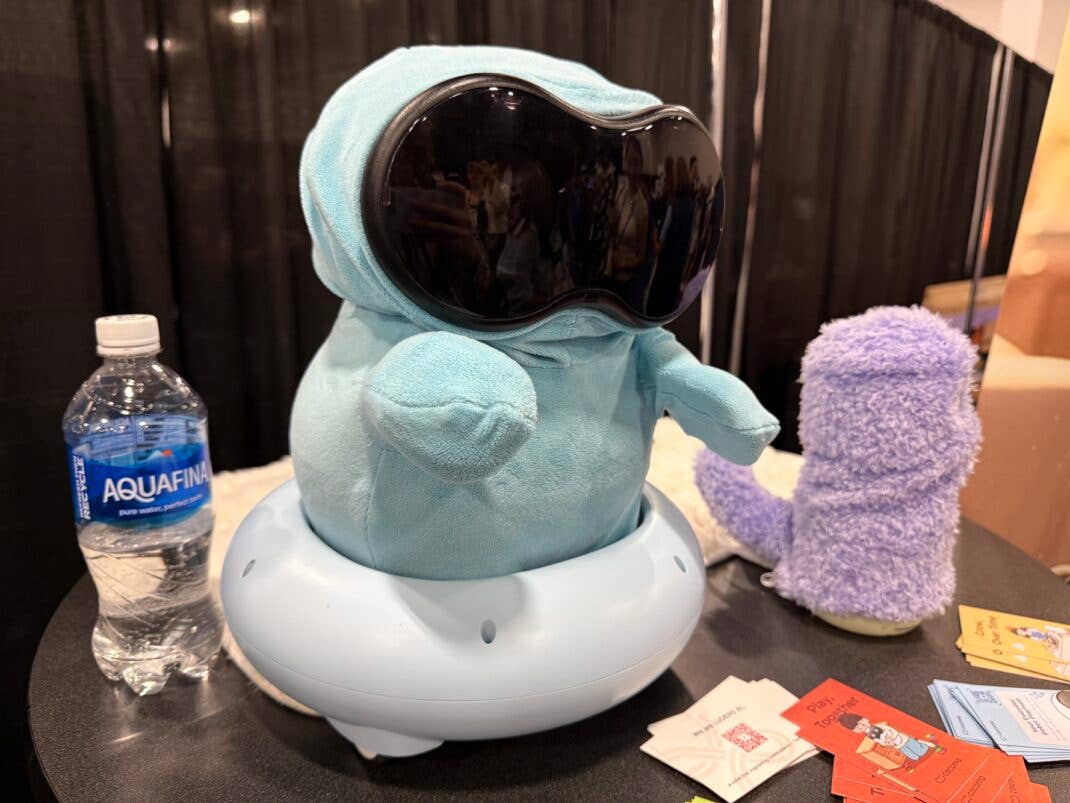
Even with the best intentions behind them, an AI companion will shape the way a child sees and interacts with the world. Whether that be through predefined variables in their programming or through targeted interactions designed to appeal to kids and/or parents. And that’s not even mentioning the dystopian-sounding potential for subtle indoctrination by private groups, companies, or states.
Humans are difficult – and that’s the point
What I am about to say now may sound like a no-brainer, but children need to come into contact with actual humans throughout their development to thrive. In Germany, where I grew up, the potential for social isolation and a lack of outside perspectives are among the reasons homeschooling is outlawed. Factor in an AI companion, and you’ve created the perfect storm for a maladapted, socially isolated, and deprived childhood.
AI companions are created to be frictionless. Real social interaction is often the opposite. People argue, kids get into fights, and have to figure out how to make compromises. An AI companion designed to eliminate as much friction as possible is going to make real social interaction feel like the less-preferred alternative.
So while your child may be very happy with their AI companion, it’s doing harm long-term. Here at CES, I was shocked to see how much universal praise these AI solutions for children seem to receive. As I said in the beginning, I would have loved a cute AI companion growing up, so I understand the appeal. But as an adult, capable of introspection, I realize that while I would have certainly had a happier childhood with an AI companion by my side at times, I would be worse-off now.
There is a better way – we’re not doomed
While the seemingly constant praise and prevalence of these technologies may be worrying, we’re not doomed. And there may actually be some benefits to introducing our children to AI early in life. At CES 2026, I took a look at an AI reading companion for young children.
This reading companion can scan text and transform it into an engaging narrative. It also recognizes what your child is pointing at on a page or in an image and responds appropriately. This kind of AI companion can actually encourage a child to explore and read without replacing actual human interaction. It’s designed to respond to a child’s innate curiosity, which in turn stimulates further exploration.
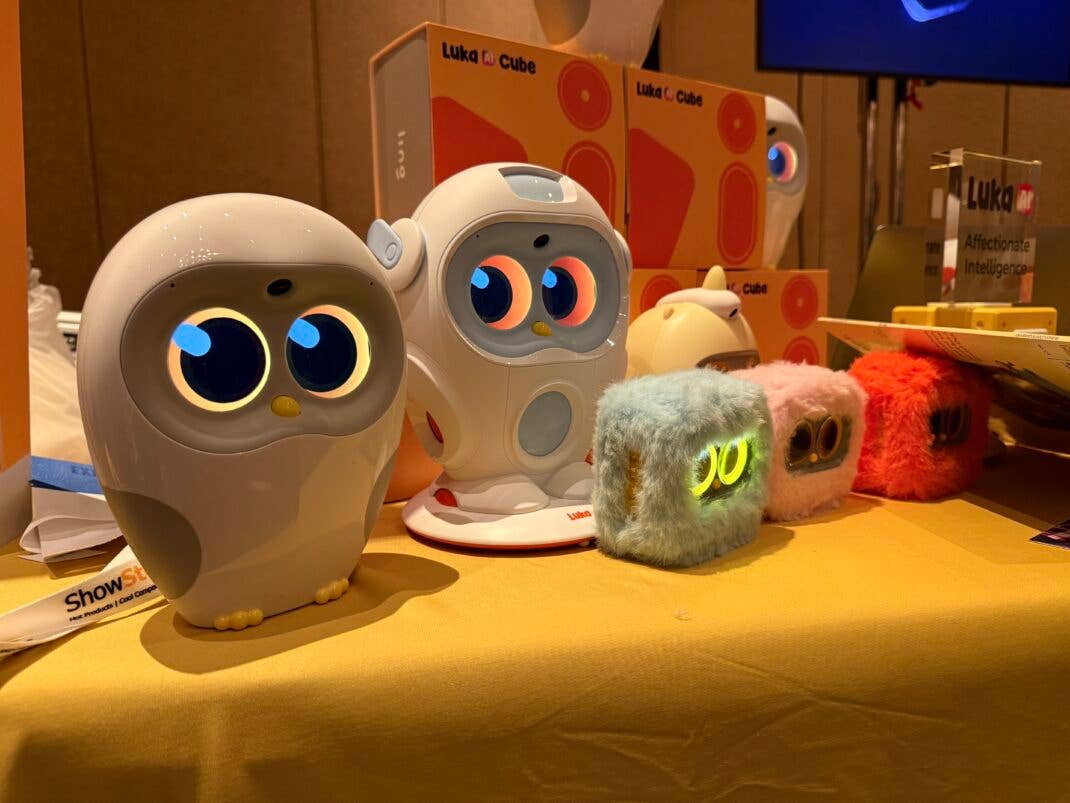
There are other companions like this that focus on introducing multiple languages early. They can interact with your child in a way a bilingual parent might. And these technologies, if done right, can be truly beneficial.
However, I do not see any bright future in which our children are playing with LLM-enabled companions rather than other children. So before you jump onto the hype train and try to get the newest and best for your child, ask yourself whether you’re replacing or adding something in your child’s life. And if you’re replacing something as essential as friendships with other kids, you might want to take a step back.