
Revolutionary Changes in India’s Travel and Tourism Budget for 2026-27, ETTravelWorld
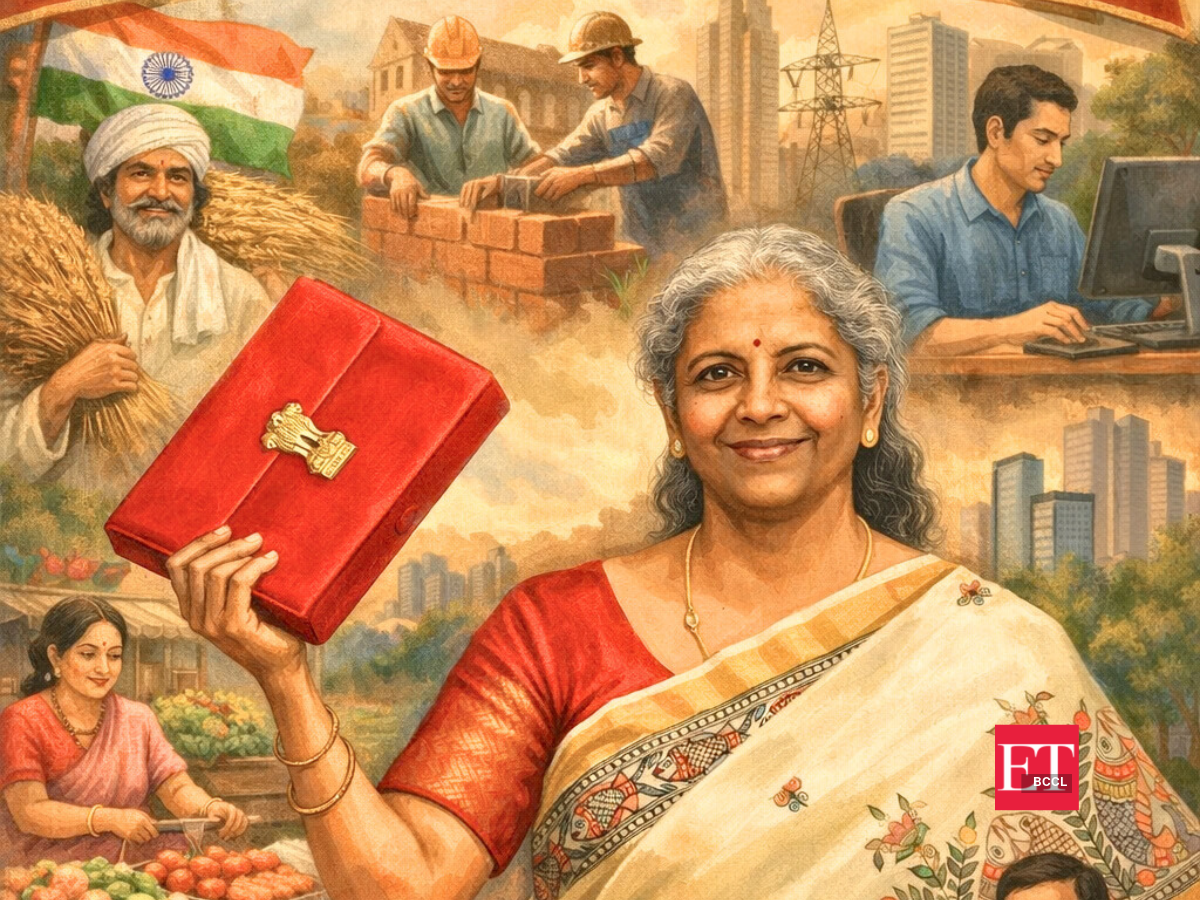
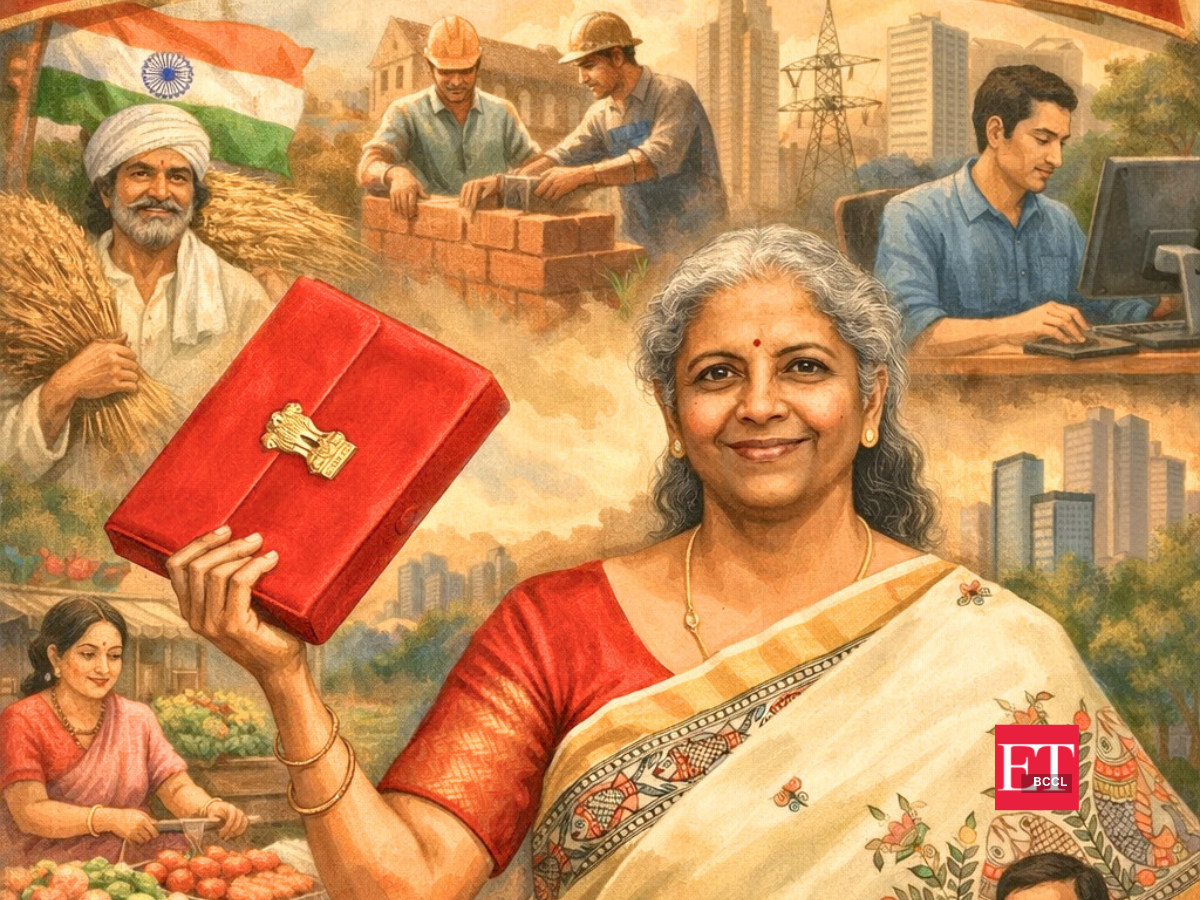
The Union Budget 2026–27 presented by Finance Minister Nirmala Sitharaman in the Parliament has placed tourism firmly within India’s economic and cultural development framework, combining supply-side investments in heritage, skills and infrastructure with demand-side tax relief aimed at easing overseas travel, education and medical mobility.
The measures signal a shift from destination marketing to long-term capacity building, aimed at strengthening tourism’s contribution to jobs, regional development and global competitiveness.
Alongside structural interventions for domestic tourism, the Budget announced a significant rationalisation of Tax Collected at Source (TCS) on foreign remittances, a move expected to directly impact outbound travel sentiment and international education and healthcare flows.
Under the revised framework, TCS on overseas tour packages will be reduced from the earlier 5% and 20% slabs to a uniform 2%, with no minimum threshold. Additionally, TCS under the Liberalised Remittance Scheme (LRS) for education and medical purposes has been cut from 5% to 2%. Industry stakeholders view the changes as a meaningful correction that lowers upfront cash outflows for travellers, students and families, and simplifies compliance.
On the domestic tourism front, a key announcement is the creation of a National Destination Digital Knowledge Grid to digitally document India’s cultural, spiritual and heritage assets. The initiative aims to create a unified national repository to improve destination planning, visitor management and discoverability, while supporting states with data-led tourism development.
The Budget also outlined the development of 15 major archaeological and heritage sites into experiential cultural destinations. Sites identified include Lothal and Dholavira in Gujarat, Rakhigarhi in Haryana, Adichanallur in Tamil Nadu, Sarnath and Hastinapur in Uttar Pradesh, and Leh Palace in Ladakh. The focus will be on upgrading visitor infrastructure, interpretation and storytelling to align these sites with global cultural tourism standards.

In its 2026 Union Budget 2026-27 announcement, the government revealed a comprehensive tourism initiative aimed at invigorating the economy and fostering job creation. This plan focuses on constructing 20 new national waterways alongside seven high-speed rail corridors, significantly enhancing transportation networks.
In a regional push, the government announced plans for an integrated East Coast Industrial Corridor with a connected tourism node at Durgapur. As part of this initiative, five tourism destinations will be developed across the five Purvodaya states, supported by the deployment of 4,000 electric buses to improve connectivity and sustainability. The move links tourism growth with industrial development and green mobility.
Taken together, the Budget 2026–27 tourism measures reflect a shift towards treating tourism as long-term economic infrastructure—combining heritage conservation, skills development, healthcare integration and digital systems. The simultaneous reduction in TCS on overseas travel, education and medical remittances adds a demand-side boost, lowering friction for global mobility while reinforcing India’s ambition to remain both a major outbound market and a competitive inbound destination.