New Porvorim Bridge to Transform Goa’s Travel, Tourism, and Economy, ETTravelWorld
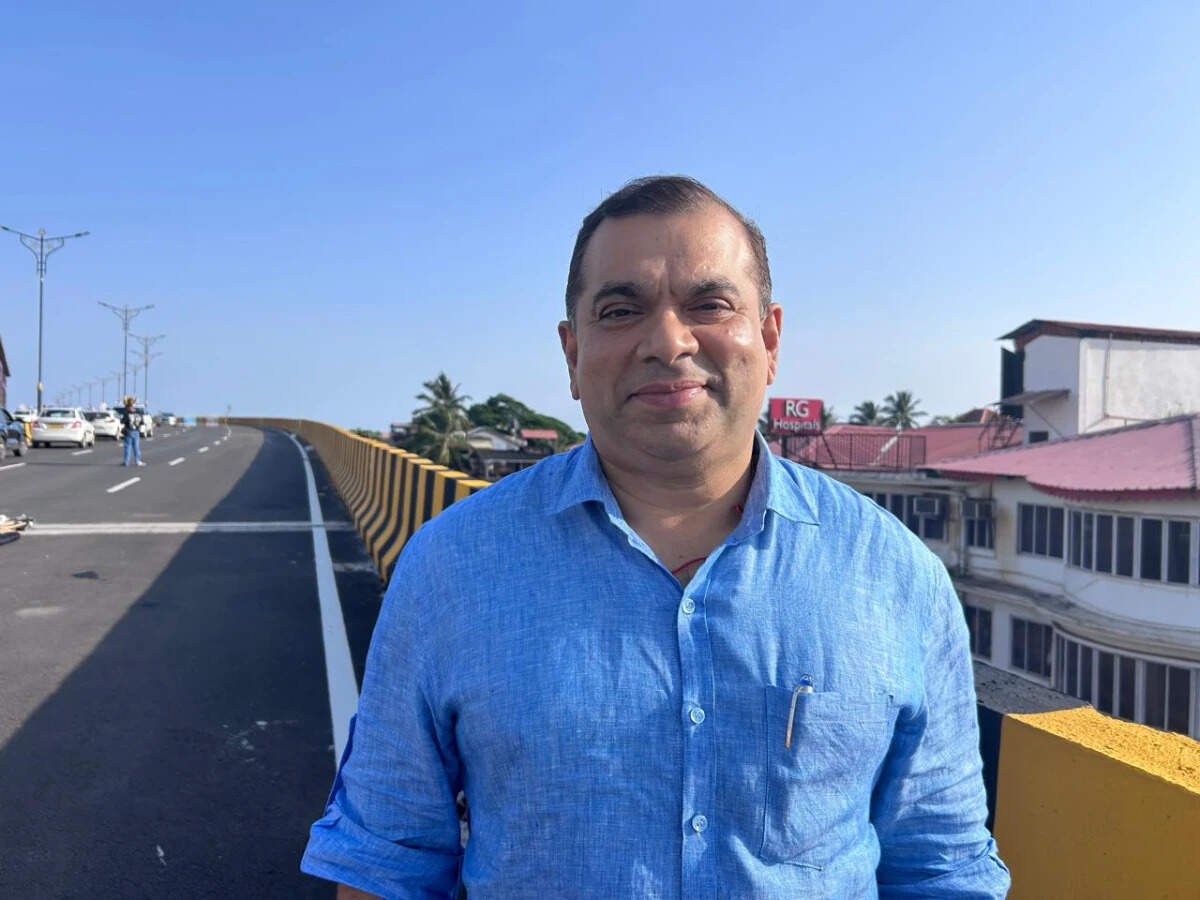
Following the inauguration of the NH66 Goa–Porvorim bridge, Goa Tourism Minister Rohan Khaunte spoke exclusively about the bridge’s significance for tourism in the state and the much-needed boost it provides to infrastructure.Speaking from the bridge itself, Khaunte said it formed part of the larger Mumbai–Kanyakumari Economic Corridor. Beyond its national significance, however, the project would also improve the lives of Porvorim’s residents and significantly reduce travel time between North Goa and Panjim.“Porvorim is part of the wider state, which has grown organically over the past few years. This is the starting point from the capital city towards Mumbai. The opening of the new airport, along with the regular movement of people, had made this particular stretch one of the busiest parts of the national highway. It was responsible for a great deal of traffic congestion and several accidents,” Khaunte said. He added that the bridge had been a blessing for what is primarily a residential area of the state.Looking ahead to the next decade, he said traffic entering Goa for trade and tourism would increase significantly as Mopa airport and the coastal road reached their full potential. The bridge, he added, was crucial in preparing for that growth.The challenging project involved constructing a 5.15-kilometre flyover, including an elevated corridor of approximately 4.19 kilometres. This made it one of the biggest infrastructure projects in Goa, and it was completed ahead of schedule, Khaunte said.Speaking about the project’s impact on tourism, the minister said, “It’s not only about tourism; for locals, it is about being able to travel faster. For logistics operators running trucks, it provides quicker connectivity between states, districts and talukas. For tourists, it means easier, hassle-free travel, whether they use the flyover or the road below it.“Porvorim is the main gateway to the entire coastal belt. If you want to travel from the south to any part of the north or onwards to Mumbai, you have to pass through this particular stretch. This bridge will transform the state’s overall economic landscape. When tourists can travel more quickly, tourism will automatically increase. When the logistics sector functions better, businesses also perform better. Overall, this flyover will resolve many issues for locals like us.”The bridge is expected to carry 75,000 vehicles a day, with traffic volumes likely to increase further.The journey from Mapusa to Panjim, which previously took approximately 40 to 45 minutes, would now be reduced to around 10 minutes, he added.“Goa tourism has undergone a major transformation since we took charge in 2022. To spread tourism more widely and help people understand Goa better, we needed to move beyond the perception of the state as merely ‘sun, sand and sea’—or a destination defined by its coastline and party life.“I believe people need to understand Goa better. That is why I launched the ‘Goa Beyond Beaches’ narrative in 2022. It has allowed us to showcase the hinterland, our ecotourism initiatives, wellness offerings, adventure sports and culinary tourism. As the generations change, young people are increasingly looking to explore new places and gain a deeper understanding of them through technology. We need to position Goa as the preferred destination it was in earlier years,” Khaunte said.“I am only saying that if you are coming as a domestic tourist for four nights, make it five. If you are coming as an international traveller for nine or 10 nights, stay for one more. The ‘plus-one economy’ is something I have started promoting. It is about encouraging the same tourist to spend one additional day, rather than focusing solely on attracting more visitors every day.“That gives us an opportunity to showcase Goa more fully. Tourists often have a fixed itinerary: they come to the coast for four nights. On the fifth night, they should see Goa and explore the other side of the state—beyond the beaches,” he concluded.