
Launch Date Announced for August 15, 2027, ETTravelWorld
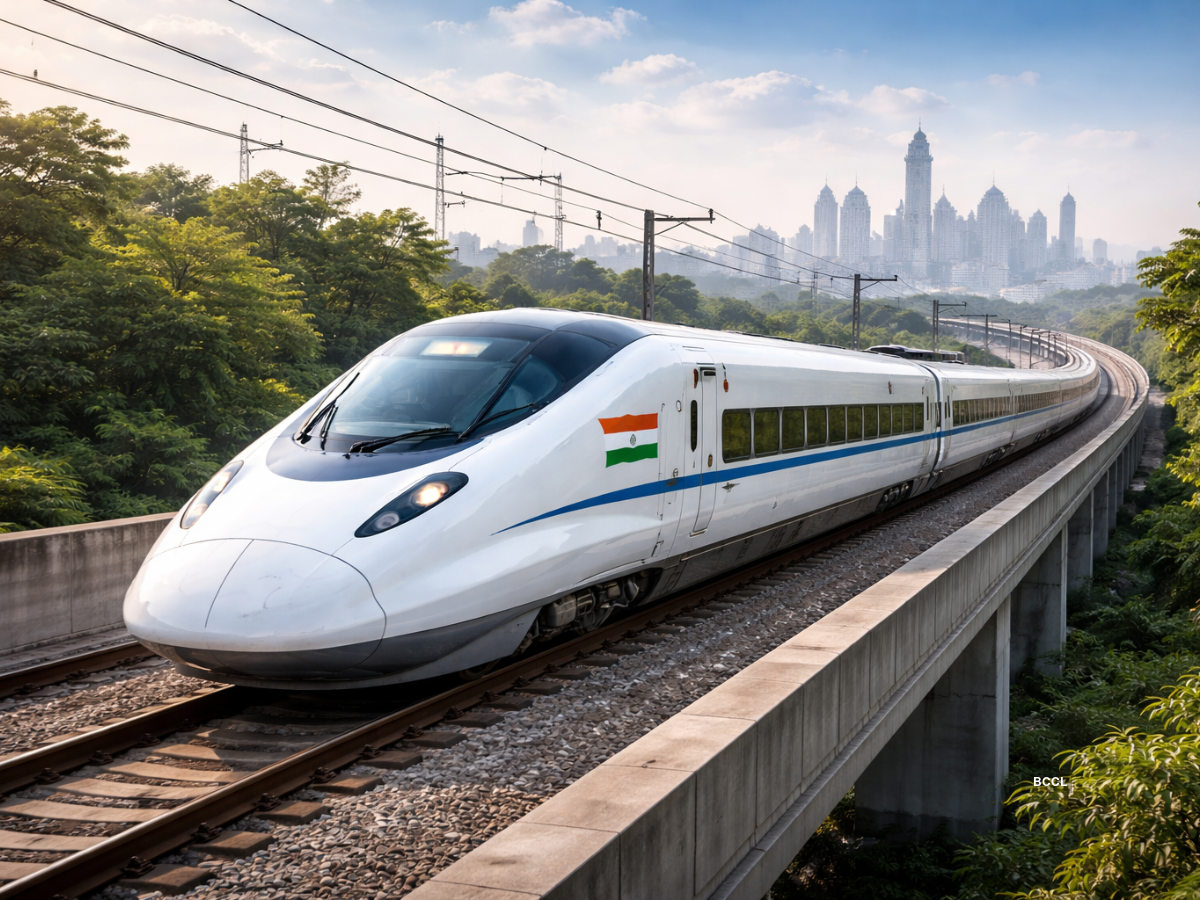
India is poised to launch its first bullet train on August 15, 2027, according to Union Minister of Railways Ashwini Vaishnaw. This ambitious project, a collaboration with Japan, aims to revolutionize high-speed rail travel in the country, with the initial operational section planned between Surat and Bilimora.
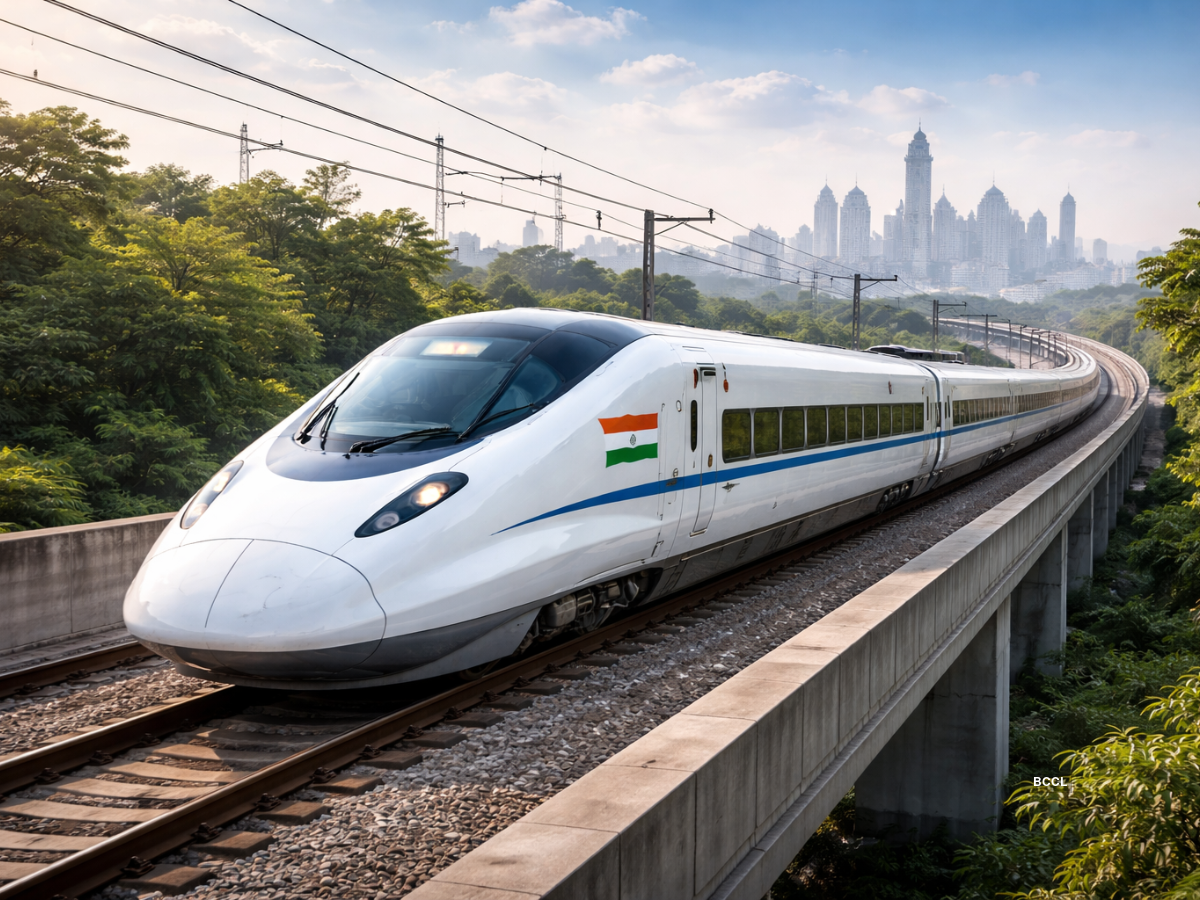
The minister outlined a phased opening of the corridor. Following the Surat to Bilimora segment, Vapi to Surat will become operational. Subsequently, Vapi to Ahmedabad will open, followed by Thane to Ahmedabad, and finally, the full Mumbai to Ahmedabad route.
“The bullet train will be ready in 2027, August 15th, 2027.”
The 508-km Mumbai–Ahmedabad High-Speed Rail Corridor is progressing steadily, with significant construction completed on viaducts, bridges, tunnels, and stations. This corridor is designed to operate at speeds of up to 320 kmph.
The project includes 12 stations, with Sabarmati as the terminal station in Gujarat and BKC as the terminal station in Mumbai. Three depots are under construction. The Mumbai–Ahmedabad High-Speed Rail project passes through Gujarat, Maharashtra, and Dadra and Nagar Haveli.
The high-speed rail line is expected to drastically reduce travel time between Mumbai and Ahmedabad to under two hours. Officials have reported that 320 km of viaduct work is already finished. Land acquisition, tunneling, station construction, and electrification are all advancing concurrently.
India’s high-speed rail project reached a milestone on Friday with the completion of its first mountain tunnel on the Mumbai–Ahmedabad bullet train corridor.
Railway Minister Ashwini Vaishnaw announced that India’s first high-speed rail corridor’s Surat-Bilimora section will open by 2027, with the full Mumbai-Ahmedabad line operational by 2029. The bullet train aims to cover the route in just over two hours, utilizing advanced safety technology. This project is expected to boost regional economies, with plans for four more corridors.
The project integrates Japan’s Shinkansen standards with Indian engineering capabilities. Full corridor operation is anticipated by 2029, with the first operational run targeted for 2027.
In addition to the bullet train, the minister also announced the upcoming launch of the first Vande Bharat sleeper train. Prime Minister Narendra Modi is expected to inaugurate this service in the latter half of January 2026.
“For the bullet train … you can buy a ticket now itself, as it will be operational by 2027,” he further added, jokingly.